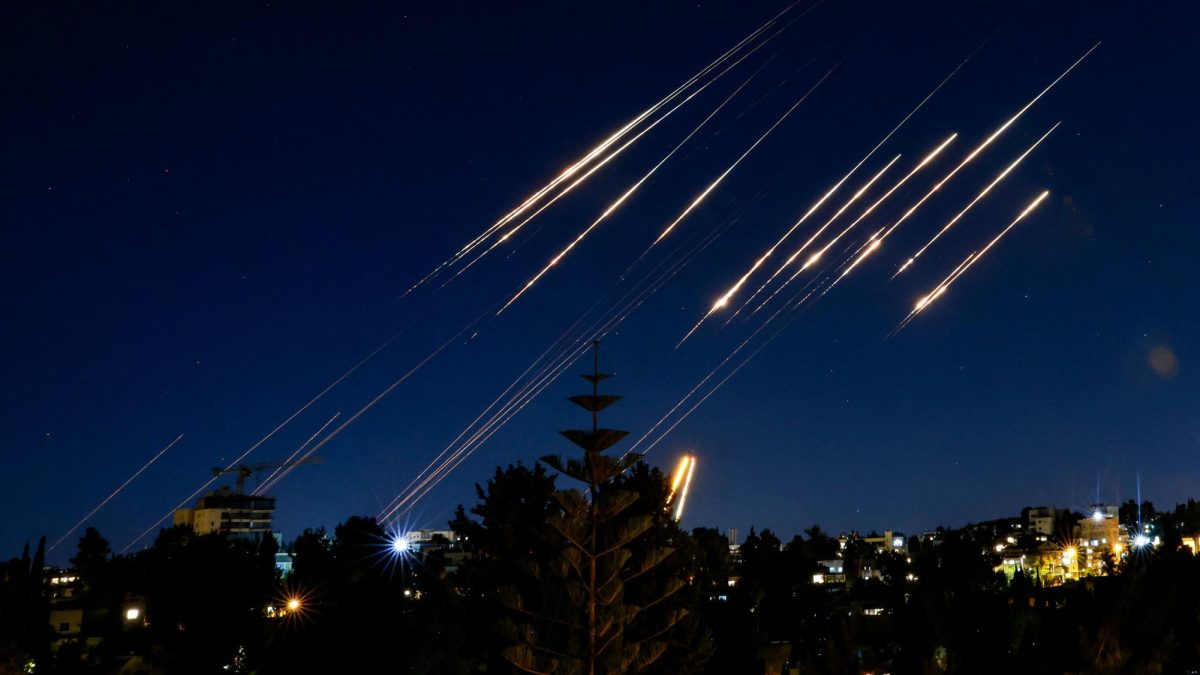
Right now, the world feels tense as conflict involving Iran, the United States, and Israel continues to grow. What started as targeted military strikes has turned into a situation that’s affecting not just the Middle East, but people all over the world.
USA began with coordinated airstrikes, alongside Israel, targeting Iran’s military bases and nuclear facilities in an effort to weaken its capabilities and prevent potential threats. Beyond direct attacks, the U.S. has increased its military presence in the region, sending additional troops, ships, and defense systems to protect its allies and respond to any retaliation. It has also enforced strict economic sanctions on Iran, aiming to limit its resources and pressure its government. At the same time, U.S. leaders have been working with other countries to build support and manage the situation diplomatically, trying to avoid an even larger war while still maintaining a strong stance.
Inside Iran, things are already difficult. Many people have been dealing with economic struggles and protests against the government. Now, with the added pressure of war, everyday life has become even more uncertain and stressful for civilians.
The conflict is also impacting the global economy. A major concern is the Strait of Hormuz, a key route where a large portion of the world’s oil passes through. Because of the fighting, oil prices have gone up, which can make gas and everyday goods more expensive around the world.
Even with everything happening, there is still no clear end in sight. Leaders across the globe are watching closely, hoping to avoid a larger war. For now, the situation remains unstable, and the choices made next could have lasting effects far beyond the region.
In the end, this isn’t just about politics or military power—it’s about real people, both in Iran and around the world, living with the consequences of a conflict that continues to grow.