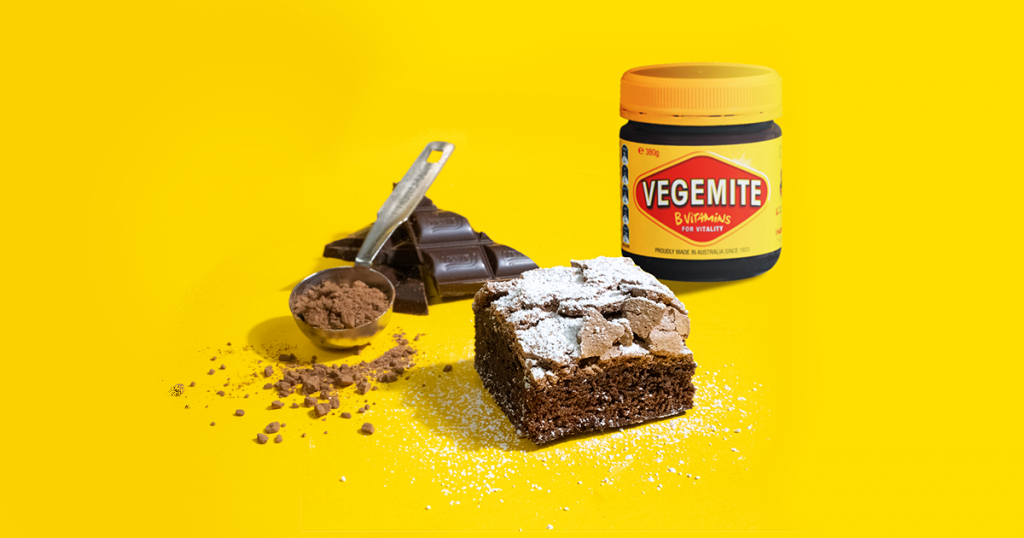
On Nov. 18, prisoner Andre McKechnie challenged the Australian ban on inmates eating Vegemite because it violated his human right to “enjoy his culture as an Australian.” The matter was brought up to the Supreme Court of Victoria, and the case is scheduled for trial next year.
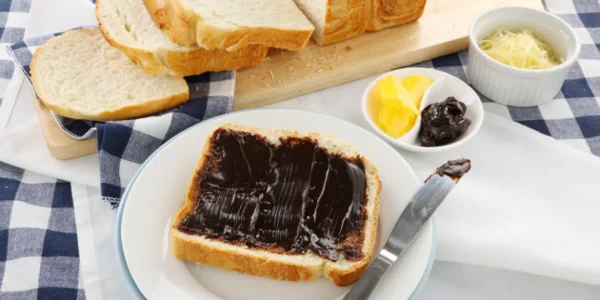
What is Vegemite?
Vegemite consists of brewer’s yeast, salt, malt extract, B vitamins, and vegetable extract. It’s typically served spread on buttered toast. The texture is similar to peanut butter, and it tastes salty and savory. Vegemite is eaten in many Australian households, but those who didn’t grow up eating it often dislike the taste.
Why is it banned?
Vegemite is banned in Victorian prisons due to the interference it causes with narcotic detection dogs. Prisoners would spread Vegemite over packaged drugs to attempt to mask the odor and distract the dogs.
Because of the yeast content, it is also banned for its “potential to be used to brew alcohol behind bars.”
A decade ago, Vegemite’s US-owner, Mondelez International, denied media reports of Vegemite’s ability to brew alcohol. He stated that the manufacturing process killed the yeast that was essential for brewing.
McKechnie wants a court declaration stating that his right to “enjoy his culture as an Australian” had been violated. This is in reference to the Charter of Human Rights and Responsibilities Act. The Act protects a person’s cultural, religious, racial, or linguistic background.
Lawyer John Herron said that the lawsuit was offensive to the victim’s families. McKenchie was 23 years old when he stabbed Otto Kuhne to death, and he is now held in maximum-security Port Phillip Prison.
Sources: APnews, Hillside Food Outreach, GemLife, Shutterstock